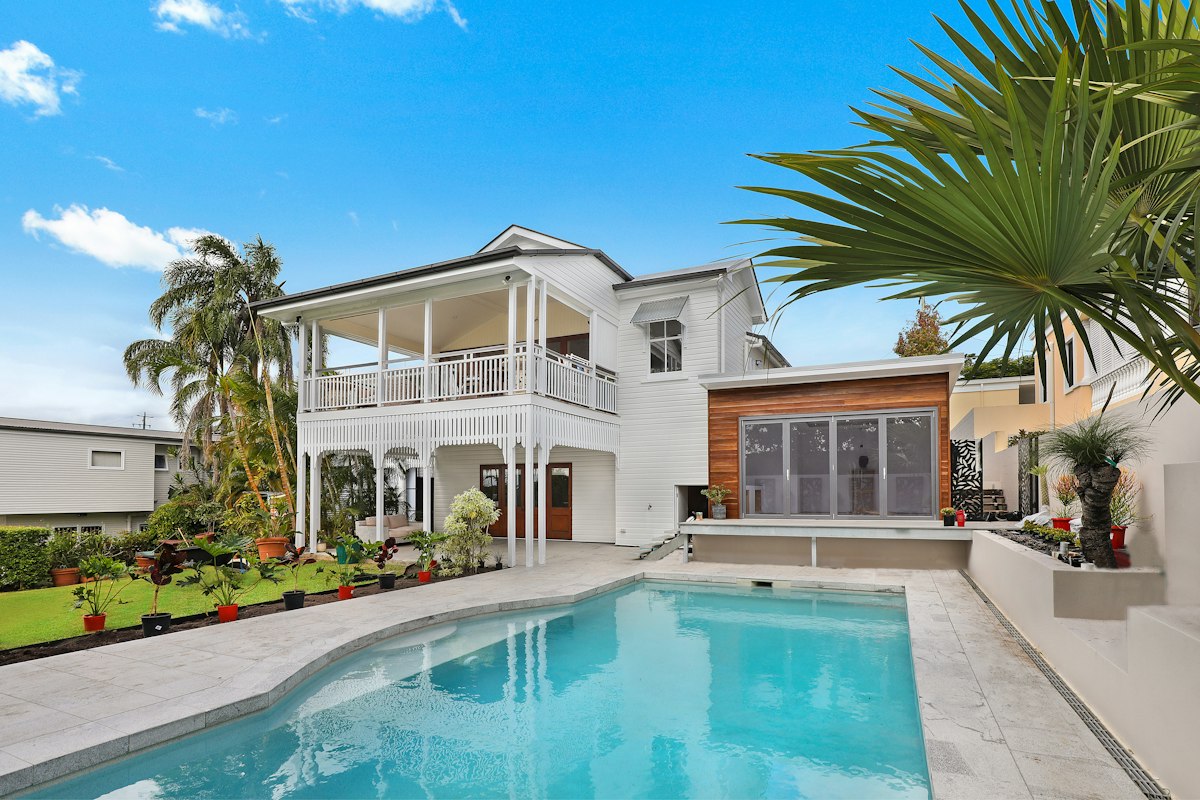
The closing paperwork is signed. The keys are in your hand. You're officially a homeowner. Then someone asks: "Did you get homeowners insurance?" - and you say yes - but if pressed, could you actually explain what it covers?
Most first-time homeowners can't. They buy the policy because their mortgage lender requires it, not because they understand it. That gap in knowledge is fine - until something goes wrong. A burst pipe, a kitchen fire, a neighbor's kid breaking an ankle in your driveway. Then it matters, a lot, whether you know what you're working with.
This guide breaks down the essentials of homeowners insurance in plain language: what's covered, what isn't and what to watch out for before you need to file a claim. For Indiana-specific numbers, see our Indiana home insurance guide and what homeowners insurance costs in Indiana.
We help first-time homeowners navigate every section of their policy and choose the right coverage - no pressure, no jargon.
Most homeowners in the U.S. carry what's called an HO-3 policy - the industry-standard form. It's broken into six distinct coverage sections, each doing a different job.
The structure of your home - walls, roof, foundation, attached garage. Most critical to get right.
Detached garage, fencing, shed, gazebo. Typically 10% of your dwelling limit.
Your furniture, electronics, clothing, appliances. Often limited on jewelry and art.
Hotel and living expenses if your home becomes uninhabitable after a covered loss.
Protects you if someone is injured on your property or you cause damage to others.
Covers minor medical bills for guests injured on your property, regardless of fault.
Your dwelling (Coverage A) is insured on an "open perils" basis - meaning it's covered for any cause of loss unless the policy specifically excludes it. Your personal property (Coverage C) is typically covered on a "named perils" basis - meaning only the specific events listed in the policy trigger coverage.
This is where most first-time homeowners get blindsided. Standard HO-3 policies contain exclusions that are not obvious until you're sitting across from a claims adjuster who tells you your loss isn't covered.
| Event | Covered by HO-3? | What to Do Instead |
|---|---|---|
| Flooding (surface water, storm surge) | ❌ Not covered | Separate NFIP or private flood policy |
| Earthquake damage | ❌ Not covered | Earthquake endorsement or separate policy |
| Sewer backup / drain overflow | ❌ Typically excluded | Water backup endorsement |
| Mold (from neglect) | ❌ Not covered | Regular home maintenance; some carriers offer mold endorsements |
| Normal wear and tear | ❌ Not covered | Home warranty covers mechanical breakdowns |
| Dog bite liability (some breeds) | ⚠️ Varies by carrier | Disclose pet at application; consider umbrella policy |
| Home business equipment or liability | ⚠️ Often excluded | Home business endorsement or separate BOP |
| High-value jewelry, art, firearms | ⚠️ Limited sublimits | Scheduled personal property rider/floater |
Flooding is not covered by a standard homeowners policy. This surprises more first-time homeowners than any other exclusion. A burst pipe inside the house is different from flood damage caused by rising water outside. If you're in or near a flood zone, price a separate flood policy, and if your home is in a high-risk flood zone and your mortgage is federally backed, your lender will require one.
This distinction is one of the most financially important decisions in your entire policy - and most buyers gloss over it entirely.
The insurer pays what it costs to replace a damaged item with a new, comparable item at today's prices. If your 4-year-old laptop is destroyed in a fire, you get a new laptop - not what a 4-year-old laptop is worth today.
The insurer pays what the item was worth at the time of loss - factoring in depreciation. That same 4-year-old laptop might be valued at $200 even if replacing it costs $1,100. ACV policies have lower premiums, but a significant out-of-pocket gap when you claim.
Choose Replacement Cost coverage for both your dwelling and personal property if your budget allows. Ask what the price difference is; in a major claim, the payout difference can be tens of thousands of dollars.
Your home is insured for its rebuild cost - not its market value, and definitely not what you paid for it. These three numbers are often very different. A home purchased for $280,000 in a hot market might only cost $195,000 to rebuild - or could cost $340,000 if construction labor and material costs have risen in your area.
Insuring your home for its market value (a common mistake) can lead to over-insurance and wasted premiums. Insuring it below rebuild cost triggers a financial shortfall at the worst possible moment.
Many homeowners policies start with $100,000 of personal liability coverage. That can run out quickly in a serious injury lawsuit once medical bills, pain and suffering and legal fees are added up. Ask what higher limits, such as $300,000 or $500,000, would cost, and whether an umbrella policy makes sense for you.
As a new homeowner, you now have an asset worth protecting - your equity. Liability coverage protects that equity from lawsuits you might not see coming.
Get an insurance quote before you close. Most lenders require proof of insurance at or before closing, and many buyers rush the policy and take the first quote they see. Give yourself two to three weeks before closing, and use our home insurance quote checklist so you have everything ready. Bill can build a quote around your exact property, so you're not rushed into a policy that leaves gaps.
We help first-time homeowners navigate every section of their policy and choose the right coverage - no pressure, no jargon.
Homeowners insurance is not a commodity where the cheapest option is the best option. It's the financial backstop for the largest asset you own. The fine print - replacement cost vs. ACV, exclusions for flood and sewer backup, liability limits - matters enormously when a claim happens.
The good news: getting the right coverage doesn't have to be complicated or expensive. Bill can walk you through each section of your policy, identify gaps, and help you find the right coverage at a fair price.
Start with a free homeowners quote today, and go into your new home knowing exactly what you're covered for - and what you're not.
